

Nightshade Vegetables and Inflammation: Unveiling the Truth
Have you ever bitten into a juicy red tomato or a fiery chili pepper and felt a twinge of guilt? Maybe you've heard whispers that these vibrant vegetables, belonging to the nightshade family, could be fueling inflammation in your body. But is there any truth to these claims, or is it just another dietary myth? Let's dive into the world of nightshades and inflammation, separating fact from fiction.
What are Nightshade Vegetables?
The term nightshade vegetables encompasses a family of plants known as Solanaceae. This family includes a wide variety of edible and inedible species, but when we talk about nightshades in the context of diet, we're usually referring to a specific group of common vegetables. These include:
- Tomatoes
- Potatoes (excluding sweet potatoes)
- Eggplants
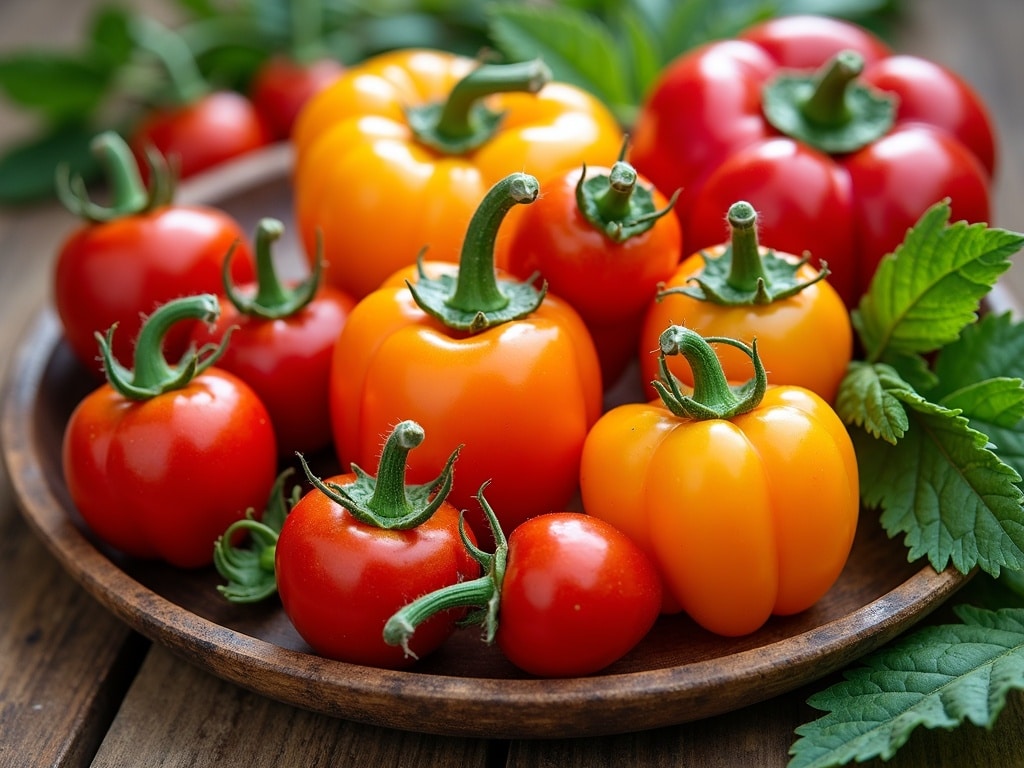
- Peppers (bell peppers, chili peppers, paprika, cayenne)
- Goji Berries
These vegetables are nutritional powerhouses, packed with vitamins, minerals, and antioxidants. Tomatoes, for example, are rich in lycopene, an antioxidant linked to a reduced risk of certain cancers. Peppers are excellent sources of vitamin C, and eggplants contain beneficial phytonutrients. So, why the controversy?
The Inflammation Connection: Where Does It Come From?
The concern surrounding nightshades and inflammation stems from the presence of certain compounds in these vegetables, primarily alkaloids. Alkaloids are naturally occurring chemical compounds that can have various effects on the body. Some alkaloids found in nightshades, like solanine in potatoes and tomatine in tomatoes, have been suggested to trigger inflammation in susceptible individuals.
The theory is that these alkaloids can disrupt the gut lining, leading to a leaky gut and an inflammatory response. Some people also believe that nightshades can worsen arthritis symptoms due to their potential inflammatory effects.
The Science: What Does the Research Say?
While the theory surrounding nightshades and inflammation sounds plausible, the scientific evidence is far from conclusive. In fact, most research suggests that nightshade vegetables are generally anti-inflammatory for the majority of people.
- Antioxidant Power: Nightshades are rich in antioxidants, which combat free radicals and reduce inflammation.
- Vitamin and Mineral Rich: They provide essential nutrients that support overall health and immune function.
- Specific Studies: Some studies have even shown that specific nightshades, like tomatoes, can have anti-inflammatory effects. One study published in the *Journal of Nutritionfound that tomato consumption was associated with lower levels of inflammatory markers in healthy adults.
However, it's important to acknowledge that individual responses to food can vary significantly. While most people can enjoy nightshades without any adverse effects, a small percentage may experience sensitivity or intolerance.
Who Might Be Sensitive to Nightshades?
Certain individuals might be more prone to experiencing negative reactions to nightshade vegetables. These include people with:
- Autoimmune Diseases: Some individuals with autoimmune conditions like rheumatoid arthritis or inflammatory bowel disease (IBD) report that nightshades worsen their symptoms.
- Leaky Gut Syndrome: People with compromised gut linings may be more susceptible to the potential inflammatory effects of alkaloids.
- Food Sensitivities: Some individuals may simply have a genetic predisposition or developed sensitivity to specific compounds in nightshades.
Symptoms of Nightshade Sensitivity
If you suspect you might be sensitive to nightshades, you may experience one or more of the following symptoms after consuming them:
- Joint pain and stiffness
- Digestive issues like bloating, gas, diarrhea, or constipation
- Skin rashes or eczema
- Headaches
- Fatigue
It's important to note that these symptoms can also be caused by other factors, so it's crucial to investigate further before self-diagnosing a nightshade sensitivity.
How to Determine If You're Sensitive to Nightshades
The best way to determine if you're sensitive to nightshades is through an elimination diet. This involves removing all nightshade vegetables from your diet for a period of 2-3 weeks and then gradually reintroducing them one at a time, while carefully monitoring your symptoms.
Here's how to conduct an elimination diet:
- Eliminate: Remove all nightshade vegetables (tomatoes, potatoes, eggplants, peppers, goji berries, etc.) from your diet for 2-3 weeks.
- Monitor: Keep a detailed food journal, noting everything you eat and any symptoms you experience.
- Reintroduce: After the elimination period, reintroduce one nightshade vegetable at a time, every 2-3 days. Start with a small serving and gradually increase it.
- Observe: Pay close attention to your body and note any symptoms that arise after reintroducing each vegetable.
If you experience a return of your original symptoms after reintroducing a particular nightshade, it's a strong indication that you may be sensitive to it. Consult with a healthcare professional or registered dietitian for personalized guidance.
Tips for Reducing Potential Nightshade Sensitivity
If you enjoy nightshades but suspect you might be slightly sensitive, there are a few strategies you can try to reduce their potential inflammatory effects:
- Peel and Deseed: Removing the skin and seeds from nightshade vegetables can help reduce their alkaloid content.
- Cook Thoroughly: Cooking nightshades can also help break down some of the alkaloids.
- Ferment: Fermenting nightshades, like making kimchi with cabbage and chili peppers, can significantly reduce their alkaloid content and make them more digestible.
- Choose Lower-Alkaloid Varieties: Some varieties of nightshades naturally contain lower levels of alkaloids. For example, Yukon Gold potatoes tend to have less solanine than Russet potatoes.
Nightshades and Specific Health Conditions
Let's take a closer look at how nightshades might affect some specific health conditions:
Arthritis
The idea that nightshades worsen arthritis symptoms is a common concern. While some individuals with arthritis report improvement after eliminating nightshades, there's limited scientific evidence to support this claim.
One theory is that the solanine in nightshades may interfere with calcium metabolism, potentially contributing to joint pain. However, more research is needed to confirm this link. If you have arthritis, it's worth experimenting with an elimination diet to see if nightshades are contributing to your symptoms.
For more insight into managing arthritis, resources like the Arthritis Foundation [externalLink insert] can be incredibly helpful.
Inflammatory Bowel Disease (IBD)
Individuals with IBD, such as Crohn's disease and ulcerative colitis, may be more sensitive to nightshades due to their compromised gut linings. The alkaloids in nightshades could potentially irritate the gut and exacerbate inflammation.
However, it's important to note that IBD is a complex condition, and dietary triggers can vary widely from person to person. Some people with IBD may tolerate nightshades without any problems, while others may need to avoid them.
Leaky Gut Syndrome
As mentioned earlier, the theory behind nightshade sensitivity often revolves around the concept of leaky gut syndrome. A compromised gut lining allows undigested food particles, bacteria, and toxins to enter the bloodstream, triggering an inflammatory response.
Nightshades, with their alkaloid content, could potentially contribute to gut irritation and worsen leaky gut in susceptible individuals. However, more research is needed to fully understand the relationship between nightshades and gut permeability.
The Bottom Line: Listen to Your Body
The truth about nightshade vegetables and inflammation is nuanced. While these vegetables are generally nutritious and beneficial for most people, a small percentage may experience sensitivity or intolerance.
If you suspect you might be sensitive to nightshades, the best course of action is to conduct an elimination diet, monitor your symptoms, and consult with a healthcare professional or registered dietitian. Ultimately, the key is to listen to your body and tailor your diet to your individual needs and sensitivities.
Don't let the fear of inflammation prevent you from enjoying the vibrant flavors and nutritional benefits of nightshade vegetables, unless you have a clear indication that they're causing you problems. Focus on a balanced, whole-foods diet and pay attention to how different foods make you feel. Your body will always provide the best guidance.