

The Ultimate Gut Healing Foods List: Nourish Your Microbiome
Imagine your gut as a lush, thriving garden. When it’s healthy and balanced, your body flourishes. But when weeds take over – in the form of inflammation, bad bacteria, and poor diet – your health can suffer. A powerful way to restore your gut’s ecosystem is through targeted nutrition. This “gut healing foods list” will guide you on what to eat (and perhaps more importantly, what to avoid) to cultivate a happier, healthier microbiome.
Understanding Gut Health and Why It Matters
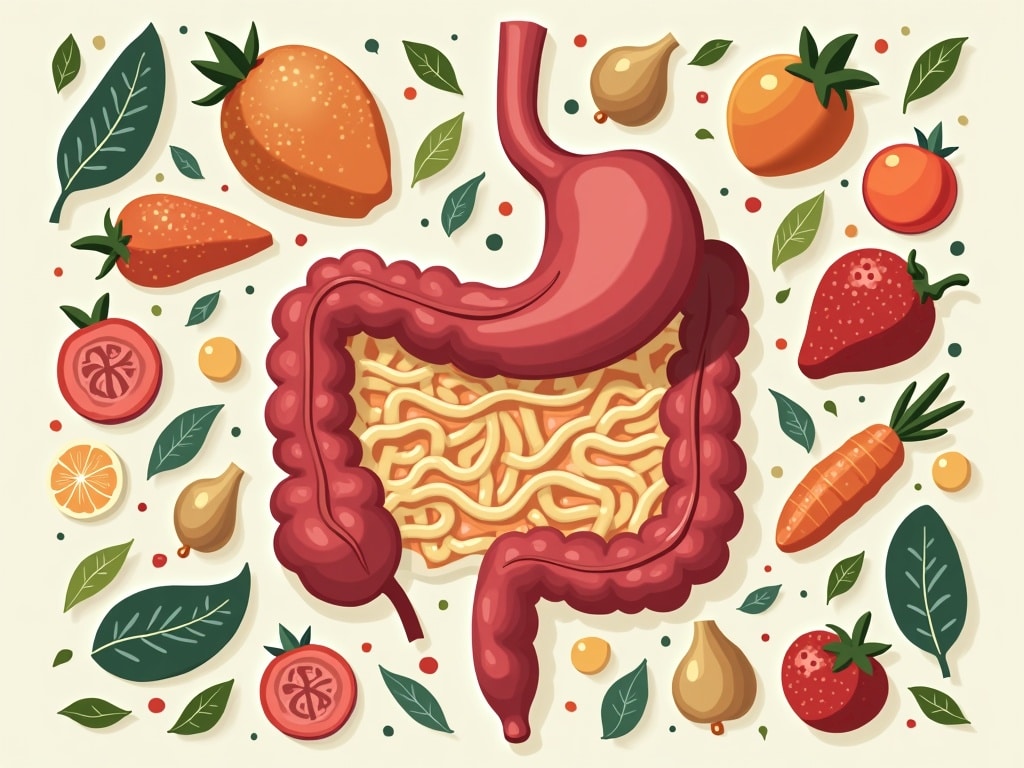
Your gut, also known as the gastrointestinal tract, isn’t just responsible for digesting food. It's a complex ecosystem teeming with trillions of bacteria, fungi, viruses, and other microorganisms, collectively known as the gut microbiome. This intricate community plays a crucial role in:
**Digestion and Nutrient Absorption:Breaking down food and absorbing essential vitamins and minerals.
**Immune Function:A significant portion of your immune system resides in your gut. A balanced microbiome helps your body defend against pathogens.
**Mental Health:The gut-brain axis connects your gut to your brain, influencing mood, anxiety, and even cognitive function.
**Inflammation:An imbalanced gut can contribute to chronic inflammation throughout the body, linked to various health issues.
When the balance of bacteria in your gut is disrupted (a condition called dysbiosis), it can lead to a range of symptoms, including bloating, gas, constipation, diarrhea, abdominal pain, fatigue, skin problems, and even autoimmune diseases. Healing your gut through diet is a powerful step towards restoring overall well-being.
The Gut Healing Foods List: What to Eat
This list focuses on foods that are easy to digest, anti-inflammatory, and promote the growth of beneficial bacteria. Remember to introduce these foods gradually to avoid any digestive upset.
1. Bone Broth: Liquid Gold for Gut Lining
Bone broth is made by simmering animal bones (usually chicken, beef, or fish) for an extended period. This process extracts collagen, gelatin, amino acids (like glutamine and glycine), and minerals that are highly beneficial for gut health.
**Benefits:**
**Collagen & Gelatin:Helps repair and strengthen the gut lining, reducing leaky gut syndrome.
**Amino Acids:Glutamine is a primary fuel source for intestinal cells, aiding in their repair and regeneration. Glycine exhibits anti-inflammatory properties.
**Minerals:Provides essential minerals like calcium, phosphorus, and magnesium, supporting overall health.
**How to Consume:Drink a cup of bone broth daily, or use it as a base for soups and stews.
2. Cooked Vegetables: Gentle Nutrition
Raw vegetables, while nutritious, can be difficult to digest for some individuals with gut issues. Cooking vegetables breaks down their fibers, making them easier on the digestive system.
**Best Choices:**
**Steamed or boiled carrots:High in beta-carotene and gentle on the stomach.
**Well-cooked squash (butternut, acorn):Rich in vitamins and minerals, with a sweet, easily digestible texture.
**Sweet potatoes (baked or steamed):Excellent source of fiber, vitamin A, and antioxidants.
**Green beans (steamed):A good source of fiber and vitamins, easy to tolerate.
**Why Cooked?Cooking reduces the amount of resistant starch and fiber, which can cause gas and bloating in sensitive individuals.
3. Fermented Foods: Probiotic Powerhouses
Fermented foods are packed with probiotics – beneficial bacteria that help restore balance to the gut microbiome.
**Top Fermented Foods:**
**Kefir (plain, unsweetened):A fermented milk drink teeming with diverse probiotic strains. Look for live and active cultures on the label. [externalLink insert]
**Sauerkraut (unpasteurized):Fermented cabbage that's rich in probiotics and fiber. Choose traditionally fermented sauerkraut over commercially produced varieties that are often pasteurized, killing the beneficial bacteria.
**Kimchi:A Korean staple made from fermented vegetables, typically cabbage and radishes, seasoned with spices.
**Yogurt (plain, unsweetened, with live and active cultures):Contains beneficial bacteria like *Lactobacillusand *Bifidobacterium*. Opt for Greek yogurt for a higher protein content.
**Kombucha:A fermented tea drink that can be a source of probiotics, but be mindful of the sugar content.
**Important Note:Start with small amounts to assess your tolerance, as some people may experience gas or bloating initially.
4. Healthy Fats: Fueling Gut Health
Healthy fats are essential for overall health, including gut health. They help reduce inflammation and support the absorption of fat-soluble vitamins.
**Excellent Options:**
**Avocado:Rich in monounsaturated fats, fiber, and potassium.
**Olive oil (extra virgin):Contains beneficial antioxidants and anti-inflammatory compounds.
**Coconut oil:Has antimicrobial properties that can help balance the gut microbiome. Use sparingly, as it's high in saturated fat.
**Fatty fish (salmon, tuna, mackerel, sardines):Excellent source of omega-3 fatty acids, known for their anti-inflammatory effects.
5. Easily Digestible Proteins: Building Blocks for Repair
Protein is crucial for repairing and rebuilding tissues in the gut. Choose lean, easily digestible protein sources.
**Good Choices:**
**Chicken (skinless, boneless):A lean source of protein that's generally well-tolerated.
**Turkey (skinless, boneless):Similar to chicken, a good source of lean protein.
**Fish (white fish, salmon):Easy to digest and rich in omega-3 fatty acids.
**Eggs:A complete protein source that's versatile and generally well-tolerated.
Foods to Avoid for Gut Healing
While incorporating gut-healing foods is essential, it's equally important to eliminate or reduce foods that can irritate the gut and contribute to inflammation.
1. Processed Foods: The Gut’s Enemy
Processed foods are typically high in sugar, unhealthy fats, and artificial additives, all of which can disrupt the gut microbiome and promote inflammation.
**Examples:Fast food, sugary drinks, packaged snacks, processed meats.
2. Sugar: Feeding the Bad Bugs
Excess sugar feeds harmful bacteria and yeast in the gut, leading to dysbiosis.
**Limit:Refined sugar, high-fructose corn syrup, artificial sweeteners.
3. Gluten (for some): A Potential Irritant
Gluten, a protein found in wheat, barley, and rye, can be problematic for individuals with gluten sensitivity or celiac disease. It can trigger inflammation and damage the gut lining.
**Consider:Eliminating gluten to see if symptoms improve.
4. Dairy (for some): Lactose Intolerance
Lactose, the sugar in dairy products, can be difficult to digest for individuals with lactose intolerance. This can lead to bloating, gas, and diarrhea.
**Alternatives:Consider lactose-free dairy products or dairy alternatives like almond milk, coconut milk, or oat milk.
5. Artificial Additives: Disrupting the Balance
Artificial sweeteners, preservatives, and colors can disrupt the gut microbiome and contribute to inflammation.
**Read Labels Carefully:Avoid foods containing artificial additives.
Beyond Food: Other Gut Healing Strategies
While diet is a cornerstone of gut health, other lifestyle factors also play a significant role.
1. Stress Management: The Gut-Brain Connection
Chronic stress can negatively impact the gut microbiome and contribute to digestive issues. Practice stress-reducing techniques such as yoga, meditation, deep breathing exercises, or spending time in nature.
2. Adequate Sleep: Rest and Repair
Sleep deprivation can disrupt the gut microbiome and impair digestive function. Aim for 7-8 hours of quality sleep per night.
3. Hydration: Keeping Things Moving
Drinking plenty of water is essential for proper digestion and elimination. Aim for at least 8 glasses of water per day.
4. Probiotic Supplements: A Targeted Approach
Probiotic supplements can help replenish beneficial bacteria in the gut. Choose a high-quality probiotic with diverse strains and consider consulting with a healthcare professional for personalized recommendations.
5. Digestive Enzymes: Assisting Digestion
Digestive enzymes can help break down food and improve nutrient absorption, especially if you have digestive issues. Consider taking a digestive enzyme supplement with meals.
Creating Your Personalized Gut Healing Plan
Healing your gut is a journey, not a destination. It requires a personalized approach based on your individual needs and sensitivities.
1. **Identify Trigger Foods:Keep a food journal to track your symptoms and identify foods that may be causing digestive upset.
2. **Gradual Changes:Introduce new foods slowly and pay attention to how your body responds.
3. **Listen to Your Body:Pay attention to your body's signals and adjust your diet and lifestyle accordingly.
4. **Consult with a Professional:Work with a healthcare professional, such as a registered dietitian or gastroenterologist, to develop a personalized gut healing plan.
By incorporating these gut healing foods and strategies into your daily routine, you can cultivate a healthier, happier gut and unlock a new level of well-being. Remember, consistency is key, and even small changes can make a big difference. Your gut will thank you for it! Welcome to a new chapter of well-being, starting from within.