
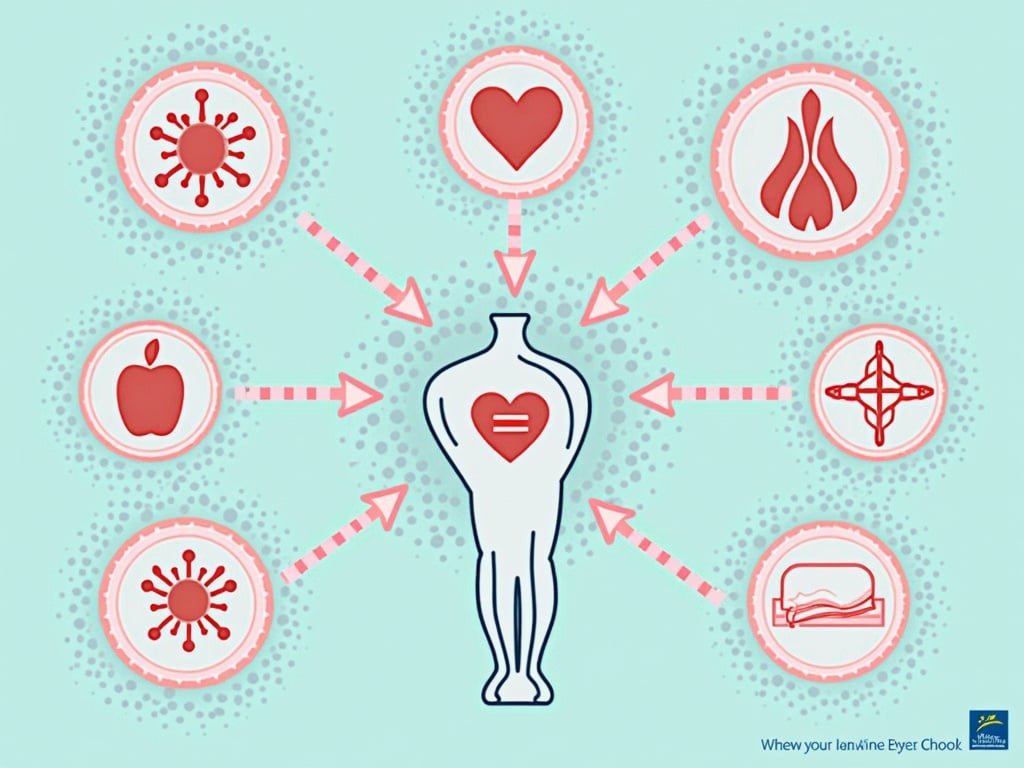
Are You Susceptible? Key Signs of a Weak Immune System
Ever find yourself catching every bug that floats around, while your friends breeze through flu season unscathed? Or perhaps you're constantly battling fatigue, mysterious rashes, or digestive woes? These could be more than just bad luck; they might be signals that your immune system is struggling. Your immune system is your body's first line of defense against invaders. When it's compromised, you become vulnerable. So, how can you tell if your immunity needs a boost? Let's explore the telltale signs.
Frequent Infections: More Than Just a Coincidence
One of the most obvious indicators of a weakened immune system is a susceptibility to frequent infections. We're not talking about the occasional cold; we're talking about recurring illnesses that seem to linger longer than they should.
What Counts as Frequent?
**Adults:Experiencing more than 2-3 colds per year, repeated bouts of bronchitis, sinus infections, or pneumonia could be a red flag.
**Children:While kids tend to get sick more often than adults, more than 6-8 respiratory infections annually warrants a closer look.
Why It Happens
A healthy immune system swiftly identifies and eliminates pathogens. When weakened, it struggles to mount an effective defense, allowing infections to take hold more easily and last longer. This reduced functionality is frequently observed.
Constant Fatigue: Tiredness That Won’t Quit
We all feel tired from time to time, but persistent, unexplained fatigue that doesn't improve with rest can be a sign that your immune system is working overtime.
The Underlying Mechanism
When your immune system is constantly battling invaders or dealing with chronic inflammation, it diverts energy away from other essential bodily functions, leading to a state of perpetual tiredness. This can manifest as:
Difficulty concentrating
Muscle weakness
General malaise
Slow Wound Healing: A Snail-Paced Recovery
A healthy immune system plays a crucial role in wound healing. When you get a cut or scrape, your immune cells rush to the site to fight off infection and initiate the repair process. If wounds seem to take an unusually long time to heal, it could indicate a compromised immune response.
What to Watch For
Minor cuts that take weeks to close.
Increased susceptibility to infection at the wound site.
Delayed formation of new tissue.
Digestive Issues: Gut Feeling Gone Wrong
A significant portion of your immune system resides in your gut. The beneficial bacteria in your gut help to regulate immune function and protect against harmful pathogens. Frequent digestive problems can disrupt this delicate balance, weakening your immunity.
Common Culprits
**Diarrhea:Persistent diarrhea can strip the gut of beneficial bacteria and impair nutrient absorption.
**Constipation:Chronic constipation can lead to a buildup of toxins in the gut, further stressing the immune system.
**Bloating and Gas:Excessive bloating and gas can be signs of an imbalance in gut flora or food sensitivities that are triggering an immune response.
Frequent Herpes Infections: The Virus That Won't Stay Dormant
Herpes simplex virus 1 (HSV-1) and herpes simplex virus 2 (HSV-2) are incredibly common viruses. After the initial infection, they typically remain dormant in the body. However, a weakened immune system can allow these viruses to reactivate more frequently, leading to:
More frequent outbreaks of cold sores (HSV-1).
More frequent genital herpes outbreaks (HSV-2).
Autoimmune Issues: When Your Body Attacks Itself
Autoimmune diseases occur when your immune system mistakenly attacks healthy tissues in the body. While the exact causes of autoimmune diseases are complex, a dysfunctional immune system is a key factor. Some common autoimmune diseases include:
Rheumatoid arthritis
Lupus
Type 1 diabetes
Hashimoto's thyroiditis
If you've been diagnosed with an autoimmune disease, it's essential to work closely with your healthcare provider to manage your condition and support your immune system.
Skin Problems: More Than Just Skin Deep
Your skin is your body's largest organ and acts as a physical barrier against the outside world. A weakened immune system can manifest in various skin problems, including:
**Rashes:Persistent or unexplained rashes can be a sign of inflammation or an allergic reaction triggered by a compromised immune system.
**Hives:Hives are itchy, raised welts on the skin that can be caused by an allergic reaction or an immune response.
**Eczema:Eczema is a chronic skin condition characterized by dry, itchy, and inflamed skin. It's often associated with immune system dysfunction.

Allergies Seemingly Out of Control: An Overzealous Response
Allergies occur when your immune system overreacts to a harmless substance, such as pollen, dust mites, or pet dander. While allergies themselves don't necessarily indicate a weakened immune system, a sudden increase in allergy symptoms or the development of new allergies can be a sign that your immune system is struggling to regulate itself properly. You want to ensure that you can support your body through this.
Swollen Lymph Nodes: A Sign of Battle
Lymph nodes are small, bean-shaped glands that are part of your immune system. They contain immune cells that help to filter out harmful substances from the body. Swollen lymph nodes, especially in the neck, armpits, or groin, can indicate that your immune system is actively fighting off an infection or dealing with inflammation.
Unexplained Weight Loss: A Body Under Stress
Unexplained weight loss can be a symptom of various underlying health conditions, including a weakened immune system. When your immune system is constantly activated, it can increase your metabolic rate and lead to a loss of appetite, resulting in weight loss.
What to Do If You Suspect a Weak Immune System
If you're experiencing several of these signs, it's essential to consult with your doctor. They can perform a thorough evaluation, including blood tests, to assess your immune function and identify any underlying causes.
Once you've identified any potential issues, there are several steps you can take to support your immune system:
**Eat a healthy diet:Focus on whole, unprocessed foods rich in fruits, vegetables, and lean protein.
**Get enough sleep:Aim for 7-8 hours of quality sleep per night.
**Manage stress:Practice relaxation techniques like yoga, meditation, or spending time in nature.
**Exercise regularly:Regular physical activity can help to boost your immune function.
**Consider supplements:Certain supplements, such as vitamin C, vitamin D, and zinc, may help to support your immune system. [externalLink insert]
The Takeaway: Listen to Your Body
Your body is constantly communicating with you. Pay attention to the signals it's sending, and don't ignore potential signs of a weak immune system. Early detection and proactive measures can help you to strengthen your defenses and protect your health. Ignoring subtle cues can lead to bigger problems down the road.