
Foods for a Healthy Gut Lining: Nourishing Your Inner Ecosystem
Imagine your gut as a lush, thriving rainforest, teeming with life. This vibrant ecosystem, home to trillions of bacteria, fungi, and other microorganisms, is the foundation of your overall health. A strong, healthy gut lining acts as the gatekeeper, allowing essential nutrients to pass into your bloodstream while keeping harmful substances out. But what happens when this protective barrier weakens? This is where the right foods come in, acting as the essential building blocks for a resilient and thriving gut.
Understanding the Gut Lining and Its Importance
The gut lining, also known as the intestinal barrier, is a single layer of cells that lines the entire digestive tract. This seemingly thin layer plays a crucial role in:
- Nutrient Absorption: It allows the absorption of vitamins, minerals, and other vital nutrients from the food you eat.
- Immune Function: It houses a significant portion of your immune system, identifying and neutralizing pathogens.
- Protection from Harmful Substances: It prevents toxins, bacteria, and undigested food particles from entering the bloodstream.
When the gut lining becomes compromised, a condition known as leaky gut or increased intestinal permeability, it can lead to a cascade of health problems, including inflammation, autoimmune diseases, and digestive issues.
The Power of Food in Healing and Maintaining a Healthy Gut Lining
Fortunately, you can significantly impact the health of your gut lining through your dietary choices. Certain foods contain compounds that help to nourish, repair, and strengthen the intestinal barrier. Here’s a breakdown of the best foods for a healthy gut lining:
1. Bone Broth: A Collagen Powerhouse
Bone broth, a traditional remedy simmered from animal bones and connective tissues, is rich in collagen, gelatin, and amino acids like glutamine and proline. These compounds are essential building blocks for the gut lining. Collagen provides structural support, while glutamine is a primary fuel source for intestinal cells, promoting their repair and regeneration. Regularly consuming bone broth can help to reduce inflammation and strengthen the gut barrier.
2. Fermented Foods: Cultivating a Diverse Microbiome
Fermented foods like yogurt (especially Greek yogurt), kefir, sauerkraut, kimchi, and kombucha are teeming with probiotics – beneficial bacteria that support a healthy gut microbiome. These probiotics help to:
- Improve Digestion: They aid in the breakdown of food and nutrient absorption.
- Reduce Inflammation: They promote a balanced gut environment, reducing inflammation.
- Strengthen the Gut Barrier: They help to reinforce the gut lining by producing short-chain fatty acids (SCFAs).
Choose unsweetened and unpasteurized varieties of fermented foods to maximize their probiotic content. [externalLink insert]
3. Fiber-Rich Foods: Fueling Beneficial Bacteria
Fiber, particularly soluble fiber, acts as a prebiotic, feeding the beneficial bacteria in your gut. These bacteria then produce SCFAs like butyrate, which is a key energy source for colon cells and plays a vital role in maintaining gut lining integrity. Excellent sources of fiber include:
- Fruits: Apples, bananas, berries (especially blueberries), and pears
- Vegetables: Asparagus, broccoli, carrots, and sweet potatoes
- Legumes: Beans, lentils, and peas
- Whole Grains: Oats, quinoa, and brown rice
4. Healthy Fats: Lubricating and Protecting
Healthy fats, such as omega-3 fatty acids, play a critical role in reducing inflammation and supporting gut health. These fats help to maintain the integrity of the gut lining by:
- Reducing Inflammation: Omega-3s have potent anti-inflammatory properties.
- Supporting Cell Membrane Structure: They contribute to the healthy structure of intestinal cell membranes.
- Promoting the Production of Anti-Inflammatory Compounds: They help the body produce compounds that further reduce inflammation.
Good sources of healthy fats include:
- Fatty Fish: Salmon, mackerel, and sardines
- Avocados: A creamy and versatile source of healthy fats and fiber
- Olive Oil: Use extra virgin olive oil for cooking and dressings
- Nuts and Seeds: Walnuts, flaxseeds, and chia seeds
5. Anti-Inflammatory Herbs and Spices: Soothing the Gut
Certain herbs and spices possess powerful anti-inflammatory properties that can help to soothe and protect the gut lining. Incorporate these into your diet:
- Turmeric: Contains curcumin, a potent anti-inflammatory compound.
- Ginger: Helps to reduce nausea and inflammation.
- Peppermint: Soothes the digestive tract and reduces bloating.
- Chamomile: Calming and anti-inflammatory.
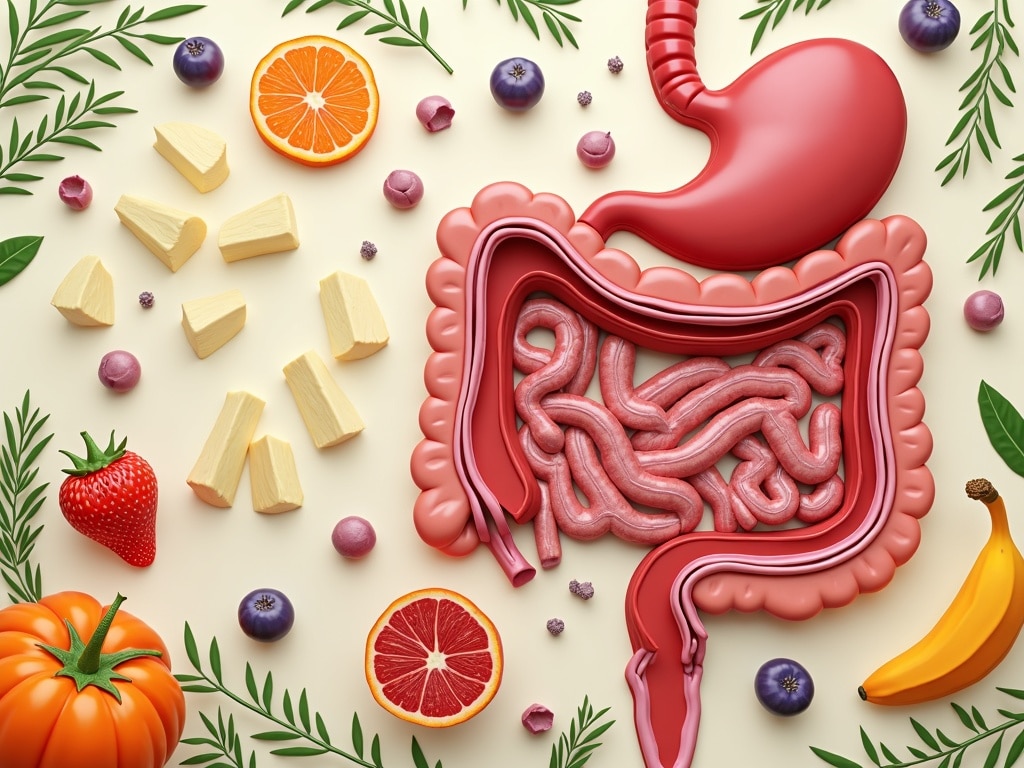
6. L-Glutamine Rich Foods
L-Glutamine is an amino acid that is vital to the health of the intestinal cells, as well as serving other functions in the body. You can boost your levels of L-Glutamine by consuming more of the following foods:
- Beef
- Chicken
- Fish
- Eggs
- Dairy Products
- Beans
- Spinach
- Parsley
Foods to Avoid for a Healthy Gut Lining
Just as certain foods promote gut health, others can damage the gut lining and contribute to inflammation. It’s important to limit or avoid these foods:
- Processed Foods: High in sugar, unhealthy fats, and artificial additives, which can disrupt the gut microbiome and increase inflammation.
- Refined Sugars: Feed harmful bacteria and contribute to inflammation.
- Excessive Alcohol: Can damage the gut lining and disrupt the gut microbiome.
- Artificial Sweeteners: Can negatively impact gut bacteria.
- Gluten (for sensitive individuals): Gluten can trigger inflammation and damage the gut lining in individuals with celiac disease or gluten sensitivity.
Building a Gut-Healing Meal Plan
Creating a meal plan focused on foods that support a healthy gut lining is easier than you might think. Here's a sample day:
- Breakfast: Oatmeal with berries, nuts, and seeds, or Greek yogurt with fruit and a drizzle of honey.
- Lunch: Salad with grilled salmon, avocado, and a variety of colorful vegetables, or a lentil soup with a side of whole-grain bread.
- Dinner: Bone broth simmered chicken with roasted sweet potatoes and broccoli, or a stir-fry with tofu, vegetables, and brown rice.
- Snacks: A handful of walnuts, a piece of fruit, or a small serving of kefir.
Lifestyle Factors Complementing a Gut-Friendly Diet
While food is a powerful tool, it’s not the only factor influencing gut health. Combining a gut-friendly diet with these lifestyle practices can further enhance your results:
- Manage Stress: Chronic stress can negatively impact the gut microbiome and increase inflammation. Practice stress-reducing activities like yoga, meditation, or spending time in nature.
- Get Enough Sleep: Sleep deprivation can disrupt the gut microbiome and weaken the gut barrier. Aim for 7-8 hours of quality sleep per night.
- Exercise Regularly: Regular physical activity can improve gut microbiome diversity and reduce inflammation.
- Stay Hydrated: Drinking plenty of water helps to keep the digestive system functioning smoothly.
Listening to Your Gut: A Personalized Approach
Everyone's gut microbiome is unique, so what works for one person may not work for another. Pay attention to how your body responds to different foods and adjust your diet accordingly. Consider working with a registered dietitian or healthcare professional to develop a personalized gut-healing plan.
The Gut-Brain Connection: A Two-Way Street
It's important to remember that the gut and brain are intimately connected through a complex network known as the gut-brain axis. This bidirectional communication system means that what happens in your gut can influence your mood, cognitive function, and overall mental well-being, and vice versa. By nourishing your gut, you're also nourishing your brain.
A Final Thought: Embracing a Gut-Healthy Lifestyle
Healing and maintaining a healthy gut lining is a journey, not a destination. By incorporating these foods and lifestyle practices into your daily routine, you can create a thriving inner ecosystem that supports your overall health and well-being. Embrace the process, listen to your body, and enjoy the delicious and nourishing foods that will help you cultivate a happy and healthy gut.