How to Improve Blood Circulation Naturally: A Comprehensive Guide
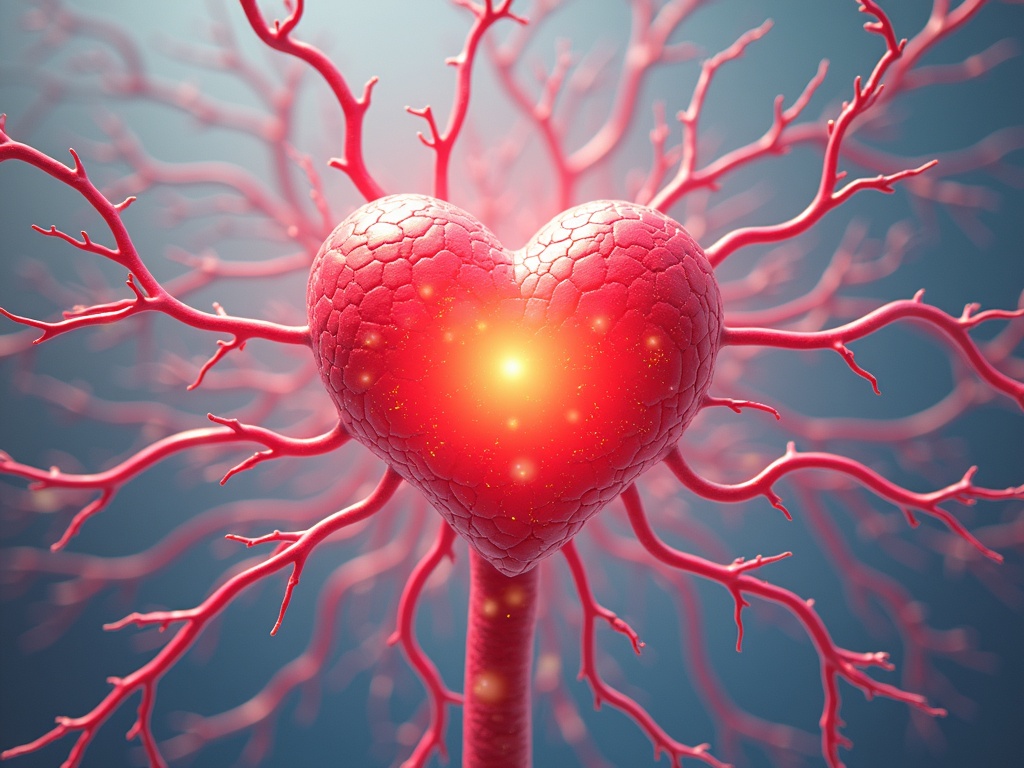
Imagine your blood vessels as a vast network of highways, delivering vital oxygen and nutrients to every corner of your body. When traffic flows smoothly, everything runs efficiently. But when congestion sets in – when circulation slows – problems arise. From tingling hands and feet to more serious cardiovascular issues, poor blood flow can significantly impact your health and well-being. But what if you could naturally enhance this crucial bodily function? Let's explore proven strategies to improve your blood circulation naturally, without relying solely on medication.
Understanding Blood Circulation and Its Importance
Blood circulation, also known as the circulatory system, is the continuous movement of blood throughout the body. This complex process is powered by the heart, which pumps blood through a network of arteries, veins, and capillaries. Here's a simplified breakdown:
- Arteries: Carry oxygen-rich blood away from the heart to the body's tissues.
- Veins: Return oxygen-depleted blood back to the heart and lungs.
- Capillaries: Tiny blood vessels that connect arteries and veins, facilitating the exchange of oxygen, nutrients, and waste products at the cellular level.
Efficient blood circulation is essential for:
- Oxygen delivery: Providing cells with the oxygen they need to function properly.
- Nutrient transport: Delivering essential nutrients to tissues and organs.
- Waste removal: Carrying away waste products like carbon dioxide.
- Immune function: Transporting immune cells to fight infection.
- Temperature regulation: Helping to maintain a stable body temperature.
Signs of Poor Blood Circulation
Recognizing the signs of poor circulation is the first step toward addressing it. Common symptoms include:
- Numbness and tingling: Often felt in the hands and feet.
- Cold extremities: Fingers and toes that are persistently cold to the touch.
- Muscle cramps: Leg pain that occurs during exercise (intermittent claudication).
- Swelling: In the legs, ankles, and feet.
- Fatigue: Persistent tiredness and lack of energy.
- Varicose veins: Enlarged, twisted veins, usually in the legs.
- Skin discoloration: Bluish or pale skin, especially in the fingers and toes.
- Slow wound healing: Cuts and scrapes that take longer than usual to heal.
Natural Strategies to Boost Blood Circulation
Fortunately, there are many natural and effective ways to improve blood circulation. These strategies focus on lifestyle changes, dietary adjustments, and natural remedies.
1. Embrace Regular Exercise
Exercise is arguably the most potent natural remedy for poor circulation. Physical activity strengthens your heart, improves blood vessel function, and promotes the growth of new blood vessels. Aim for at least 30 minutes of moderate-intensity exercise most days of the week. Excellent choices include:
- Walking: A simple and accessible exercise that improves blood flow, especially in the legs.
- Swimming: A low-impact activity that's gentle on the joints.
- Cycling: Strengthens leg muscles and improves cardiovascular health.
- Yoga: Certain poses, like inversions, can help improve blood flow to the brain.
- Strength training: Building muscle mass can improve circulation by increasing metabolic rate and supporting blood vessel health.
2. Optimize Your Diet
What you eat directly impacts your circulatory health. A diet rich in fruits, vegetables, and whole grains can help improve blood flow and reduce the risk of heart disease.
- Nitrate-rich foods: Beets, leafy greens (spinach, kale), and celery contain nitrates, which convert to nitric oxide in the body. Nitric oxide helps relax blood vessels and improves blood flow.
- Omega-3 fatty acids: Found in fatty fish (salmon, tuna, mackerel), flaxseeds, and walnuts, omega-3s have anti-inflammatory properties and can improve blood vessel function.
- Antioxidant-rich foods: Berries, citrus fruits, and dark chocolate are packed with antioxidants that protect blood vessels from damage.
- Garlic: Contains allicin, a compound that can help relax blood vessels and lower blood pressure.
- Ginger: Has anti-inflammatory properties and can help improve circulation.
Limit your intake of:
- Saturated and trans fats: Found in processed foods, red meat, and fried foods. These fats can contribute to plaque buildup in arteries.
- Excessive sodium: Can raise blood pressure and worsen circulation.
- Added sugars: Can contribute to inflammation and weight gain, both of which can negatively impact circulation.
3. Stay Hydrated
Dehydration can thicken your blood, making it harder for your heart to pump and slowing down circulation. Aim to drink at least eight glasses of water per day. You can also increase your fluid intake by consuming hydrating fruits and vegetables like watermelon, cucumbers, and spinach.
4. Quit Smoking
Smoking is one of the worst things you can do for your circulatory system. Nicotine constricts blood vessels, reduces oxygen levels in the blood, and increases the risk of blood clots. Quitting smoking is the single most important step you can take to improve your circulation and overall health. Consider seeking professional help with resources such as Smokefree.gov to permanently quit smoking.
5. Manage Stress
Chronic stress can trigger the release of hormones that constrict blood vessels and increase blood pressure. Practicing stress-reducing techniques can help improve circulation and promote overall well-being.
- Deep breathing exercises: Slow, deep breaths can help relax blood vessels and lower blood pressure.
- Meditation: Regular meditation can help reduce stress and improve cardiovascular health.
- Yoga: Combines physical activity with mindfulness and can help reduce stress and improve circulation.
- Spending time in nature: Studies have shown that spending time outdoors can lower stress hormones and improve blood pressure.
- Engaging in hobbies: Activities you enjoy can help you relax and take your mind off stressful situations.
6. Elevate Your Legs
If you spend long periods sitting or standing, elevating your legs can help improve blood flow back to your heart. Aim to elevate your legs above your heart level for 15-20 minutes several times a day.
7. Compression Therapy
Compression socks or stockings apply gentle pressure to your legs, helping to improve blood flow and reduce swelling. They are particularly helpful for people who stand or sit for long periods or who have varicose veins.
8. Consider Natural Supplements
Certain natural supplements may help improve blood circulation. However, it's essential to talk to your doctor before taking any new supplements, especially if you have any underlying health conditions or are taking medications.
- L-arginine: An amino acid that helps produce nitric oxide, which relaxes blood vessels.
- Ginkgo biloba: An herb that may improve blood flow to the brain and extremities.
- Hawthorn berry: A herb that may help improve heart function and blood circulation.
- Cayenne pepper: Contains capsaicin, which can help dilate blood vessels and improve blood flow.
- Horse chestnut extract: May help reduce swelling and improve circulation in the legs.
9. Manage Underlying Health Conditions
Certain health conditions, such as diabetes, high blood pressure, and high cholesterol, can significantly impair blood circulation. Effectively managing these conditions is crucial for improving overall cardiovascular health. Work closely with your doctor to develop a comprehensive treatment plan that includes medication, lifestyle changes, and regular monitoring. Effectively managing these conditions often reduces the need for other medication.
10. Practice Contrast Showers
Alternating between hot and cold water during your showers can stimulate blood circulation. Start with warm water for a few minutes, then switch to cold water for 30-60 seconds. Repeat this cycle several times. The hot water dilates blood vessels, while the cold water constricts them, creating a pumping action that improves blood flow.
When to Seek Medical Advice
While the strategies outlined above can be highly effective, it's crucial to seek medical advice if you experience any of the following:
- Sudden or severe leg pain.
- Chest pain or shortness of breath.
- Symptoms of a blood clot (pain, swelling, redness in one leg).
- Unexplained numbness or weakness.
- Slow-healing wounds.
These symptoms may indicate a more serious underlying condition that requires medical attention. Your doctor can perform a thorough evaluation, diagnose the cause of your poor circulation, and recommend the most appropriate treatment plan.
Lifestyle Tweaks: Small Changes, Big Impact
Beyond the significant strategies, integrating smaller lifestyle adjustments can contribute incrementally to better circulation:
- Massage Therapy: Regular massage improves circulation by stimulating soft tissues and increasing blood flow. It also helps lower blood pressure and reduce stress.
- Loose Clothing: Avoid tight clothing, especially around the waist and legs, to prevent constriction of blood vessels.
- Proper Posture: Good posture ensures optimal blood flow by preventing compression of blood vessels.
- Foot Exercises: Simple foot exercises, such as ankle rotations and toe raises, can improve circulation in the lower extremities.
The Takeaway: A Holistic Approach to Circulation
Improving blood circulation naturally involves a multifaceted approach that encompasses lifestyle changes, dietary adjustments, and stress management. By incorporating these strategies into your daily routine, you can enhance blood flow, reduce the risk of cardiovascular problems, and improve your overall health and well-being. Remember to consult with your doctor before making any significant changes to your diet or exercise routine, especially if you have any underlying health conditions. Prioritize your circulatory health, and your body will thank you with increased vitality and sustained wellness.