
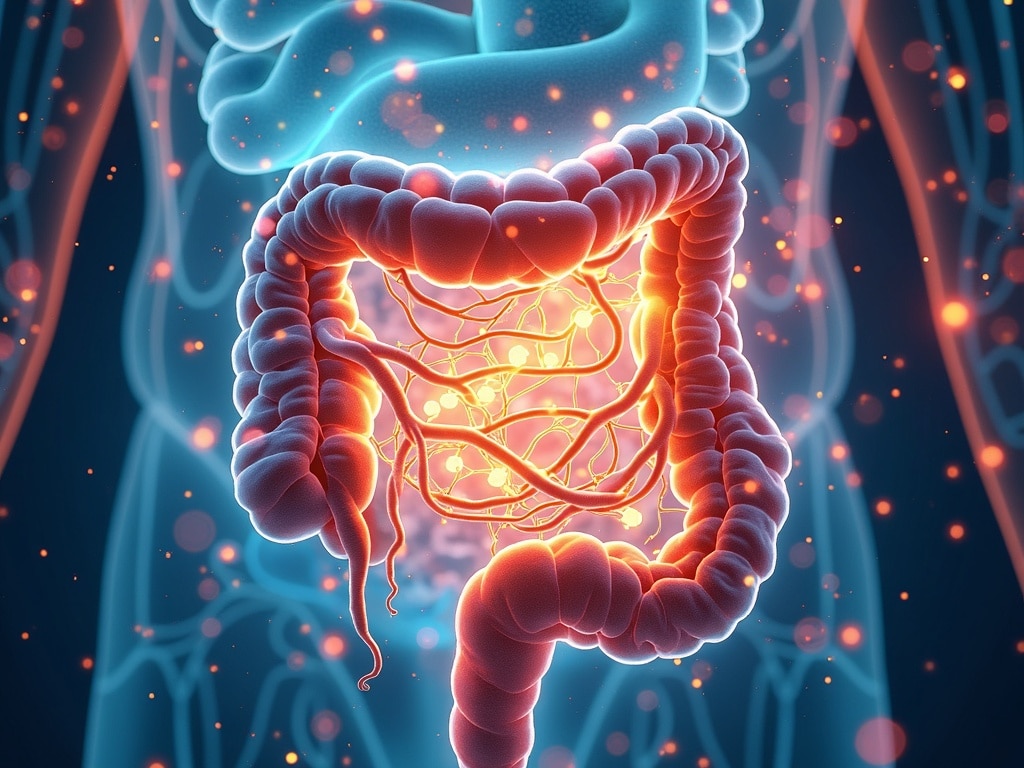
The Gut Health and Immune System Connection: A Symbiotic Relationship
Imagine your body as a bustling city. Your immune system is the vigilant security force, constantly patrolling for threats. But what if the city's foundation, its very infrastructure, was compromised? That's essentially what happens when your gut health suffers. The gut, far from being just a digestive tract, plays a pivotal role in supporting a robust and responsive immune system. Understanding the intricate relationship between gut health and immunity is key to unlocking a stronger, healthier you.
The Gut: More Than Just Digestion
For many years, the gut was simply seen as the place where food was broken down and nutrients absorbed. While crucial, this is a vast oversimplification. Scientists now recognize the gut as a complex ecosystem, teeming with trillions of microorganisms, collectively known as the gut microbiota. These bacteria, viruses, fungi, and other microbes aren't just passive bystanders; they actively communicate with our bodies, influencing everything from digestion to mood to, most importantly, immune function.
Think of your gut microbiota as a diverse community within your body. A thriving community features a variety of members, each contributing to the overall health and stability. Similarly, a diverse and balanced gut microbiota promotes optimal immune function.
Key Functions of the Gut Microbiota
- Nutrient Absorption: Gut bacteria aid in the digestion of complex carbohydrates and the synthesis of certain vitamins, like vitamin K and some B vitamins.
- Barrier Protection: The gut lining acts as a physical barrier, preventing harmful substances from entering the bloodstream. The microbiota helps maintain the integrity of this barrier.
- Immune System Training: The gut microbiota plays a crucial role in educating and training the immune system to distinguish between friend (beneficial bacteria) and foe (pathogens).
- Fighting Off Pathogens: Beneficial gut bacteria compete with harmful pathogens for resources and produce antimicrobial substances that inhibit their growth.
The Gut-Immune Axis: A Two-Way Street
The relationship between the gut and the immune system isn't a one-way street; it's a constant dialogue known as the gut-immune axis. The gut microbiota influences the development and function of various immune cells, and in turn, the immune system helps to shape the composition of the gut microbiota.
Here's how this intricate communication works:
**Immune Cell Development:The gut-associated lymphoid tissue (GALT), the largest immune organ in the body, houses a variety of immune cells, including T cells, B cells, and dendritic cells. The gut microbiota interacts with these cells, influencing their development and maturation. For example, certain gut bacteria promote the development of regulatory T cells (Tregs), which help to suppress excessive immune responses and maintain immune tolerance.
**Cytokine Production:The gut microbiota can stimulate immune cells to produce cytokines, signaling molecules that regulate immune responses. Some cytokines promote inflammation, while others suppress it. A balanced gut microbiota helps to maintain a healthy balance of pro-inflammatory and anti-inflammatory cytokines.
**Barrier Function:A healthy gut barrier prevents the leakage of bacteria and other substances into the bloodstream. When the gut barrier is compromised, a condition known as leaky gut, it can trigger an inflammatory response that over time can affect the immune system's ability to function effectively.
Dysbiosis: When the Gut Microbiota Becomes Unbalanced
When the balance of the gut microbiota is disrupted, a condition known as dysbiosis occurs. This can happen due to a variety of factors, including:
Diet: A diet high in processed foods, sugar, and unhealthy fats can promote the growth of harmful bacteria and reduce the diversity of the gut microbiota.
Antibiotics: While antibiotics are essential for treating bacterial infections, they can also kill beneficial gut bacteria, leading to dysbiosis.
Stress: Chronic stress can negatively impact the gut microbiota, increasing the risk of dysbiosis.
Environmental Factors: Exposure to toxins and pollutants can also disrupt the gut microbiota.
Dysbiosis can have a significant impact on immune function, increasing the risk of infections, allergies, and autoimmune diseases. When the gut community is out of sync, the immune response may act erratically or disproportionally to threats.
The Consequences of an Unhealthy Gut on the Immune System
The impact of gut dysbiosis on the human body and its immune responses, can be broad and varied. Here’s an overview of the possibilities:
**Increased Susceptibility to Infections:When the gut microbiota is out of balance, the immune system is less able to fight off pathogens. This can lead to increased susceptibility to infections, such as colds, flu, and gastrointestinal illnesses.
**Increased Risk of Allergies:Dysbiosis has been linked to an increased risk of allergies. When the gut barrier is compromised, allergens can enter the bloodstream and trigger an immune response.
**Increased Risk of Autoimmune Diseases:In autoimmune diseases, the immune system mistakenly attacks the body's own tissues. Dysbiosis has been implicated in the development of autoimmune diseases.
**Chronic Inflammation:Dysbiosis can lead to chronic inflammation, which can contribute to a variety of health problems.
Strategies for Improving Gut Health and Boosting Immunity
Fortunately, there are many things you can do to improve your gut health and strengthen your immune system. The good news is that even small steps can result in an improvement.
Dietary Changes
**Eat a Diverse Diet:A diet rich in fruits, vegetables, whole grains, and legumes provides a variety of nutrients and fiber that support the growth of beneficial gut bacteria.
**Limit Processed Foods, Sugar, and Unhealthy Fats:These foods can promote the growth of harmful bacteria and reduce the diversity of the gut microbiota.
**Incorporate Fermented Foods:Fermented foods like yogurt, sauerkraut, kimchi, and kombucha are rich in probiotics, beneficial bacteria that can help to restore balance to the gut microbiota.
**Consider Prebiotic Foods:Prebiotics are non-digestible fibers that feed beneficial gut bacteria. Sources include garlic, onions, asparagus, bananas, and apples.
Supplementation
**Probiotics:Probiotic supplements can help to restore balance to the gut microbiota, especially after antibiotic use. Be sure to choose a probiotic supplement that contains a variety of strains and a high CFU (colony-forming units) count.
**Vitamin D:Vitamin D plays a crucial role in immune function. Many people are deficient in vitamin D, particularly during the winter months. Consider taking a vitamin D supplement to support your immune system. Please consult [externalLink insert] with your healthcare provider before adding supplements to your diet.
Lifestyle Modifications
**Manage Stress:Chronic stress can negatively impact the gut microbiota. Practice stress-management techniques such as yoga, meditation, or spending time in nature.
**Get Enough Sleep:Sleep deprivation can weaken the immune system. Aim for 7-8 hours of sleep per night.
**Exercise Regularly:Regular exercise can improve gut health and boost immune function.
The Power of Prevention: Prioritizing Gut Health for Long-Term Wellness
Taking a proactive approach to your gut health is an investment in your overall well-being. By nourishing your gut microbiota, you can strengthen your immune system, reduce your risk of chronic diseases, and improve your quality of life.
The gut-immune system connection is a complex and fascinating area of research. As we continue to learn more about this intricate relationship, we can develop even more effective strategies for optimizing gut health and boosting immunity. Embrace the power of a healthy gut, and unlock your body's full potential for health and vitality.