
The Ultimate Guide to the Best Exercises for Weight Loss Over 50
Turning 50 is a milestone, a new chapter filled with wisdom, experience, and, perhaps, a bit more around the waistline than you'd prefer. Shedding those extra pounds after 50 can feel like an uphill battle, but it's absolutely achievable with the right approach. Forget grueling boot camps and fad diets; the key lies in finding enjoyable, sustainable exercises that cater to your body's unique needs and help you reclaim your vitality. This comprehensive guide will walk you through the best exercises for weight loss over 50, providing practical tips and insights to help you achieve your health goals.
Why Exercise is Crucial After 50
As we age, our metabolism naturally slows down, making it easier to gain weight and harder to lose it. Muscle mass also tends to decrease, which further impacts metabolism and strength. But exercise isn't just about weight loss; it's about overall health and well-being. Regular physical activity can help:
- Improve cardiovascular health, reducing the risk of heart disease and stroke.
- Strengthen bones and muscles, preventing osteoporosis and falls.
- Boost energy levels and reduce fatigue.
- Enhance mood and cognitive function.
- Manage chronic conditions like arthritis and diabetes.
The Best Types of Exercises for Weight Loss and Overall Health
A well-rounded exercise program should include a mix of cardiovascular exercise, strength training, flexibility, and balance exercises. Here's a breakdown of the most effective options for those over 50:
1. Cardio for Calorie Burning and Heart Health
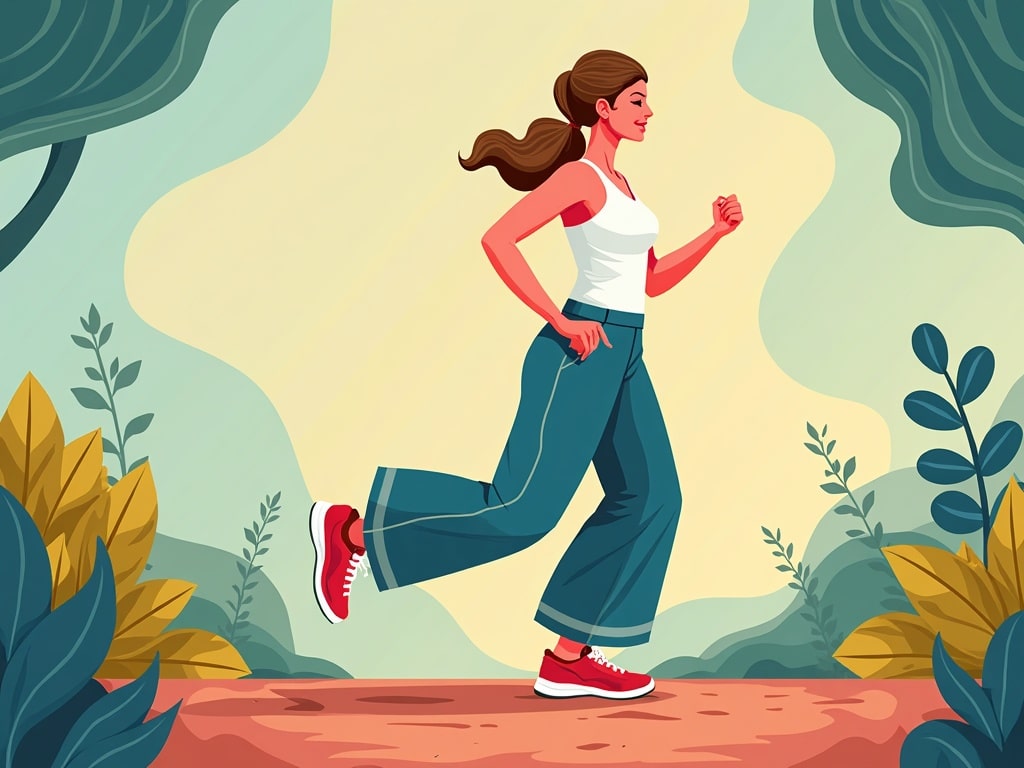
Cardiovascular exercise, often called cardio, is essential for burning calories and improving cardiovascular health. The best part? You don't need a gym membership to reap its benefits. Here are some excellent choices:
- Walking: A low-impact, accessible exercise that can be easily incorporated into your daily routine. Aim for at least 30 minutes of brisk walking most days of the week. Increase intensity by adding hills or intervals.
- Swimming: Gentle on the joints, swimming is a full-body workout that improves cardiovascular fitness and muscle strength. Water aerobics classes are also a fantastic option.
- Cycling: Whether outdoors or on a stationary bike, cycling is a great way to burn calories and strengthen your legs. Adjust the resistance to challenge yourself.
- Dancing: A fun and social way to get your heart pumping. Join a dance class or simply put on some music and move!
- Elliptical Trainer: Provides a low-impact cardio workout that engages both your upper and lower body.
2. Strength Training for Muscle Building and Metabolism
Strength training is crucial for building and maintaining muscle mass, which helps boost your metabolism and burn more calories, even at rest. Don't worry; you don't need to become a bodybuilder! Focus on exercises that work multiple muscle groups simultaneously.
- Bodyweight Exercises: Simple yet effective exercises like squats, lunges, push-ups (modified on your knees if needed), and planks can be done anywhere, anytime.
- Dumbbell Exercises: Incorporate dumbbells to increase the intensity of your strength training. Bicep curls, triceps extensions, overhead presses, and rows are all great options.
- Resistance Bands: Portable and versatile, resistance bands provide a challenging workout for all muscle groups.
- Weight Machines: If you have access to a gym, weight machines can be a safe and effective way to build strength. Focus on proper form and start with lighter weights.
3. Flexibility and Balance for Mobility and Injury Prevention
Flexibility and balance exercises are often overlooked but are vital for maintaining mobility, preventing injuries, and improving overall quality of life as we age.
- Yoga: Improves flexibility, strength, balance, and mental well-being. Choose a class that is geared towards beginners or seniors.
- Pilates: Focuses on core strength, flexibility, and body awareness. Pilates can help improve posture and reduce back pain.
- Tai Chi: A gentle form of exercise that combines slow, flowing movements with deep breathing. Tai Chi improves balance, coordination, and relaxation.
- Stretching: Incorporate stretching into your daily routine to improve flexibility and range of motion. Hold each stretch for 30 seconds and focus on breathing deeply.
Sample Workout Plan for Weight Loss Over 50
This is just a sample plan, and it's important to listen to your body and adjust the intensity and duration of your workouts as needed. Consult with your doctor before starting any new exercise program.
| Day | Activity | Duration/Reps |
|---|---|---|
| Monday | Brisk Walking | 30-45 minutes |
| Tuesday | Strength Training (Bodyweight or Dumbbells) | 30 minutes (squats, lunges, push-ups, rows, bicep curls) |
| Wednesday | Yoga or Pilates | 45 minutes |
| Thursday | Swimming or Cycling | 30-45 minutes |
| Friday | Strength Training (Resistance Bands) | 30 minutes (focus on different muscle groups than Tuesday) |
| Saturday | Rest or Active Recovery (light stretching, walking) | 30 minutes |
| Sunday | Tai Chi or Gentle Stretching | 30 minutes |
Tips for Success: Staying Motivated and Injury-Free
Consistency is key when it comes to weight loss and overall health. Here are some tips to help you stay motivated and prevent injuries:
- Start Slowly: Don't try to do too much too soon. Gradually increase the intensity and duration of your workouts over time.
- Listen to Your Body: Pay attention to any pain or discomfort and stop if you need to. Rest is just as important as exercise.
- Warm-Up and Cool-Down: Always warm up before each workout and cool down afterward to prevent injuries.
- Stay Hydrated: Drink plenty of water throughout the day, especially before, during, and after exercise.
- Find an Exercise Buddy: Working out with a friend can help you stay motivated and accountable.
- Set Realistic Goals: Focus on making small, sustainable changes rather than trying to achieve dramatic results overnight.
- Track Your Progress: Monitoring your progress can help you stay motivated and see how far you've come. [externalLink insert]
- Reward Yourself: Celebrate your accomplishments with non-food rewards, such as a new workout outfit or a massage.
- Don't Be Afraid to Modify: Adjust exercises to suit your fitness level and any physical limitations. Use modifications as needed to maintain proper form and avoid injury.
- Consult a Professional: Consider working with a personal trainer or physical therapist who can help you design a safe and effective exercise program.
Nutrition: The Perfect Partner for Exercise
While exercise is crucial for weight loss, it's only one piece of the puzzle. Nutrition plays an equally important role. Focus on eating a balanced diet that is rich in fruits, vegetables, lean protein, and whole grains. Limit processed foods, sugary drinks, and unhealthy fats.
- Prioritize Protein: Protein helps build and maintain muscle mass, which is essential for boosting metabolism.
- Load Up on Fiber: Fiber keeps you feeling full and satisfied, which can help you eat less.
- Choose Healthy Fats: Healthy fats, such as those found in avocados, nuts, and olive oil, are important for hormone production and overall health.
- Watch Your Portion Sizes: Even healthy foods can lead to weight gain if you eat too much of them.
- Stay Consistent: Aim for sustainable dietary changes rather than following fad diets.
Embrace Your Fitness Journey
Losing weight after 50 is a journey, not a race. Be patient with yourself, celebrate your successes, and don't get discouraged by setbacks. By incorporating these exercises and tips into your lifestyle, you can achieve your weight loss goals and enjoy a healthier, more active life. Remember to consult with your doctor before starting any new exercise or diet program, especially if you have any underlying health conditions. Now, lace up those sneakers, grab your water bottle, and get moving toward a fitter, healthier you!