

Unmasking the Culprits: Foods That Secretly Sabotage Your Skin's Glow
Ever wondered why that expensive serum isn't delivering the radiant complexion it promised? The answer might be lurking in your fridge and pantry. While we diligently apply creams and lotions, we often overlook the profound impact our diet has on our skin's health and appearance. Turns out, some seemingly harmless foods can wage a silent war against our skin, contributing to acne, wrinkles, inflammation, and a dull complexion. Let's delve into the surprising world of foods that could be damaging your skin, and more importantly, what you can eat instead to achieve that coveted glow.
The Sugar-Skin Connection: A Sweetener's Sour Secret
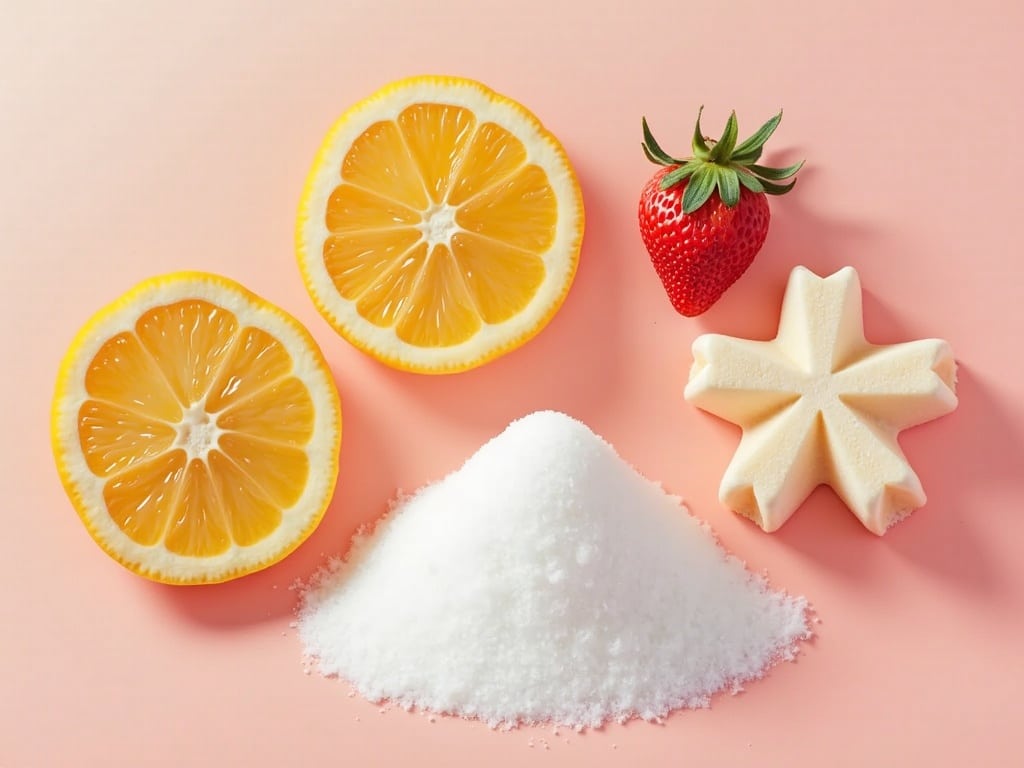
Sugar, in its various forms, is a primary offender when it comes to skin damage. It's not just about avoiding the obvious culprits like candy and soda; sugar hides in seemingly healthy foods too, like processed snacks, sauces, and even some yogurts.
How Sugar Wreaks Havoc
**Glycation and AGEs:When you consume sugar, it kicks off a process called glycation. This is where sugar molecules attach to proteins like collagen and elastin, the very foundations of youthful skin. This union forms Advanced Glycation End-products (AGEs), which are nasty little compounds that stiffen collagen and elastin fibers, leading to wrinkles, sagging, and a loss of elasticity.
**Inflammation:Sugar is a pro-inflammatory food. It triggers the release of inflammatory messengers in the body, which can exacerbate skin conditions like acne, eczema, and rosacea. Redness, swelling, and breakouts are all telltale signs of sugar-induced inflammation.
**Insulin Spikes:High sugar intake causes rapid spikes in insulin levels. These spikes can trigger an overproduction of sebum (oil) in the skin, leading to clogged pores and acne.
Sweet Alternatives for a Radiant Complexion
Instead of reaching for sugary treats, opt for these skin-friendly alternatives:
**Fruits:Berries, apples, and pears offer natural sweetness along with antioxidants and fiber.
**Stevia or Monk Fruit:These natural sweeteners have minimal impact on blood sugar levels.
**Dark Chocolate (70% cacao or higher):Rich in antioxidants and lower in sugar than milk chocolate.
Dairy's Debacle: Is Milk Making You Break Out?
Dairy, a staple in many diets, can be a hidden trigger for skin problems, particularly acne.
The Dairy-Acne Link
**Hormones:Milk contains hormones, including IGF-1 (Insulin-like Growth Factor 1), which can stimulate oil production and inflammation in the skin, leading to breakouts.
**Androgens:Some dairy products contain androgens, hormones that can also contribute to acne, especially in women.
**Whey Protein:Whey protein, a common ingredient in protein powders and shakes, is derived from dairy and can have similar acne-triggering effects. [externalLink insert]
Dairy-Free Delights for Clearer Skin
Consider these dairy-free alternatives:
**Almond Milk, Soy Milk, or Oat Milk:These plant-based milks are readily available and can be used in coffee, cereal, and smoothies.
**Coconut Yogurt or Almond Yogurt:Delicious and creamy alternatives to dairy yogurt.
**Nutritional Yeast:A cheesy-flavored powder that can be used in sauces and dips.
Processed Foods: The Ultimate Skin Saboteurs
Processed foods are often loaded with hidden sugars, unhealthy fats, and artificial additives, making them a triple threat to your skin. These foods lack essential nutrients and antioxidants, leaving your skin vulnerable to damage.
The Processed Food Problem
**Trans Fats and Hydrogenated Oils:These unhealthy fats contribute to inflammation and can clog pores.
**Sodium:High sodium intake can dehydrate the skin, leading to a dull, flaky complexion.
**Artificial Additives:Artificial colors, flavors, and preservatives can trigger allergic reactions and skin sensitivities.
Whole Food Wonders for Healthy Skin
Embrace whole, unprocessed foods:
**Fruits and Vegetables:Packed with vitamins, minerals, and antioxidants that protect and nourish the skin.
**Lean Protein:Essential for collagen production and skin repair.
**Healthy Fats:Avocado, nuts, and seeds provide essential fatty acids that keep skin hydrated and supple.
The Gluten Question: Sensitivity and Skin Reactions
Gluten, a protein found in wheat, barley, and rye, can be a trigger for skin problems in sensitive individuals.
Gluten's Grip on Your Skin
**Inflammation:For those with gluten sensitivity or celiac disease, consuming gluten can trigger a systemic inflammatory response, which can manifest as skin rashes, eczema, or acne.
**Gut Health:Gluten intolerance can damage the gut lining, leading to poor nutrient absorption and skin problems.
Gluten-Free Goodness for a Glowing You
Explore gluten-free alternatives:
**Rice, Quinoa, and Oats:Versatile and nutritious grains that are naturally gluten-free.
**Almond Flour or Coconut Flour:Great for baking gluten-free treats.
**Gluten-Free Bread and Pasta:Widely available in most supermarkets.
Alcohol's Assault: Dehydration and Inflammation
While an occasional drink might seem harmless, excessive alcohol consumption can significantly impact your skin's health.
Alcohol's Adverse Effects
**Dehydration:Alcohol is a diuretic, meaning it promotes fluid loss from the body. Dehydration can lead to dry, flaky skin and accentuate wrinkles.
**Inflammation:Alcohol triggers inflammation throughout the body, which can worsen skin conditions like rosacea and acne.
**Nutrient Depletion:Alcohol can interfere with the absorption of essential nutrients, including vitamins A, C, and E, which are crucial for skin health.
Hydrating Habits for Healthy Skin
If you choose to drink alcohol, follow these tips:
**Hydrate:Drink plenty of water before, during, and after consuming alcohol.
**Limit Intake:Moderate your alcohol consumption to minimize its impact on your skin.
**Choose Wisely:Opt for drinks with lower sugar content and fewer additives.
Caffeine's Catch-22: Energy Boost or Skin Bust?
Caffeine, a stimulant found in coffee, tea, and energy drinks, can have both positive and negative effects on the skin.
The Caffeine Conundrum
**Dehydration:Like alcohol, caffeine is a diuretic and can contribute to dehydration.
**Stress Hormones:Excessive caffeine intake can stimulate the release of stress hormones like cortisol, which can trigger acne and accelerate aging.
**Antioxidant Benefits:On the other hand, some caffeinated beverages, like green tea, are rich in antioxidants that can protect the skin from damage.
Caffeine Consumption Considerations
**Hydrate:Counteract caffeine's diuretic effect by drinking plenty of water.
**Moderate Intake:Limit your caffeine consumption to avoid overstimulation and stress hormone release.
**Choose Wisely:Opt for green tea or black coffee over sugary energy drinks.
The Takeaway: Diet and Dermatology are Deeply Intertwined
Achieving healthy, radiant skin is not just about topical treatments; it's about nourishing your skin from the inside out. By being mindful of the foods you consume and making informed choices, you can significantly improve your skin's health and appearance. So, ditch the skin saboteurs and embrace a diet rich in whole, unprocessed foods, and watch your skin flourish! The journey to glowing skin starts on your plate.