
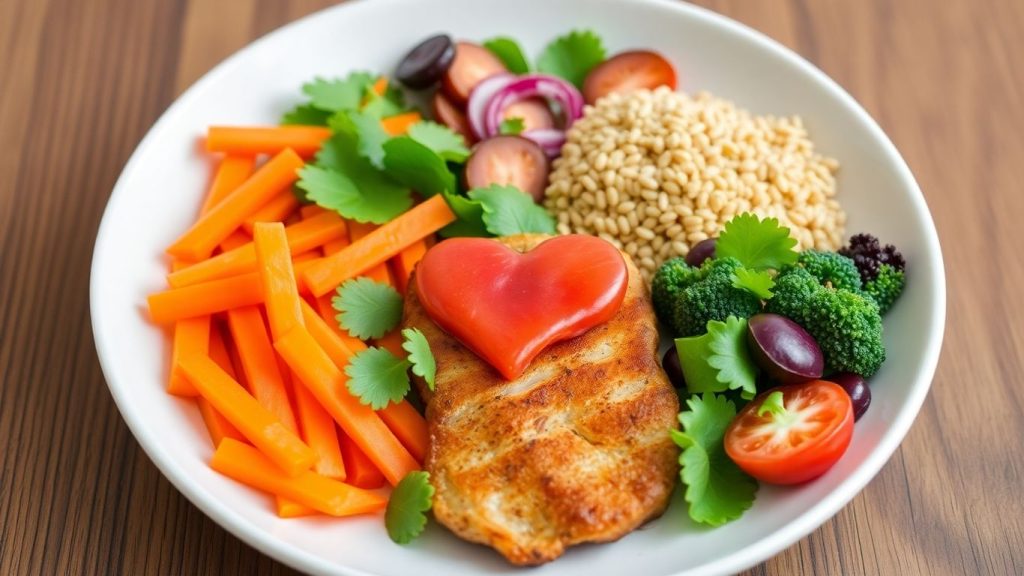
Experiencing a heart attack changes things, no doubt about it. You might be feeling a bit overwhelmed, wondering how to eat now. Well, good news! Your recovery journey can actually be a chance to discover delicious foods that are fantastic for your heart. This guide is here to help you build a practical diet plan after heart attack, focusing on simple changes that make a big difference for your long-term health. Let's get started on making food work for you.
Key Takeaways
- Focus on eating more fruits, vegetables, and whole grains. These foods provide important nutrients and fiber that support heart health.
- Choose lean protein sources like fish, chicken without skin, and beans. They help build strength without adding unhealthy fats.
- Be mindful of fats. Opt for healthy fats found in avocados, nuts, and olive oil, and limit saturated and trans fats from processed foods and fatty meats.
- Reduce your salt intake. Check food labels for sodium content and use herbs and spices for flavor instead of salt.
- Stay hydrated by drinking plenty of water and limiting sugary drinks and excessive alcohol. This helps your body function well and supports your recovery.
Embracing Your New Heart-Healthy Eating Journey
So, you've had a heart attack. It's a big deal, no doubt about it. But here's the good news: you're here, and you're ready to make changes. This isn't about deprivation; it's about a fresh start, a new way of looking at food that actually helps your heart. Think of it as giving your body the best possible fuel to heal and thrive. This journey is about making smart, sustainable choices that feel good and taste great.
Understanding The Power Of Food For Your Heart
It's easy to feel overwhelmed right now, but food is one of the most powerful tools you have in your recovery kit. What you eat directly impacts your blood pressure, cholesterol levels, and overall heart function. It's not magic, it's science. By choosing the right foods, you can actively help your heart repair itself and become stronger. It's like giving your ticker a much-needed tune-up.
Making Smart Swaps For A Healthier Plate
This isn't about ditching everything you love. It's about making small, smart changes that add up. Think about swapping out white bread for whole wheat, or choosing baked chicken over fried. These little adjustments can make a big difference over time. Here are a few ideas to get you started:
- Switching from sugary drinks to water or unsweetened tea.
- Replacing butter with olive oil for cooking or as a spread.
- Choosing fresh fruits and vegetables over processed snacks.
- Opting for lean meats and fish instead of fatty cuts.
Remember, every small step counts. Don't aim for perfection overnight. Focus on progress, not perfection. Your heart will thank you for it.
Your First Steps Towards A Delicious Diet Plan After Heart Attack
Getting started can feel like the hardest part. Where do you even begin? The key is to keep it simple and build from there. Don't try to overhaul your entire diet in one day. Start with one meal, or even just one meal component. Maybe focus on adding more vegetables to your dinner plate. Or perhaps you'll start by cutting back on salt. Whatever feels manageable for you is the right place to start. We'll break down exactly what to eat and how to prepare it in the following sections, making this whole process feel much less daunting.
Fueling Your Recovery With Nutrient-Rich Foods
After a heart attack, what you eat becomes a super important part of getting better and keeping your heart strong. It's not about deprivation; it's about choosing foods that actively help your body heal and build resilience. Think of it as giving your heart the best possible building blocks to recover and thrive. This section is all about loading up on the good stuff that makes a real difference.
The Importance Of Fruits And Vegetables
Fruits and veggies are like nature's powerhouses for your heart. They're packed with vitamins, minerals, and fiber, which all play a role in keeping your cardiovascular system happy. Fiber, in particular, can help manage cholesterol levels and keep your blood sugar steady. Plus, they add color and flavor to your meals, making healthy eating enjoyable.
- Aim for a rainbow of colors: Different colors often mean different nutrients. Think berries, leafy greens, bright peppers, and sweet potatoes.
- Fresh or frozen are great: Don't shy away from frozen fruits and vegetables; they're just as nutritious and often more convenient.
- Incorporate them into every meal: Add spinach to your morning eggs, have an apple for a snack, or load up your dinner plate with a variety of steamed or roasted vegetables.
Eating a wide variety of fruits and vegetables provides your body with a broad spectrum of protective compounds that work together to support heart health and aid in your recovery process.
Choosing Lean Proteins For Strength
Protein is vital for rebuilding and repairing tissues, and after a heart event, this is especially true. But not all proteins are created equal when it comes to heart health. Focusing on lean protein sources means you get the benefits without the extra saturated fat that can be hard on your heart.
- Fish: Especially fatty fish like salmon, mackerel, and sardines, are rich in omega-3 fatty acids, which are fantastic for heart health.
- Poultry: Skinless chicken and turkey breast are excellent choices.
- Legumes: Beans, lentils, and peas are not only good protein sources but also packed with fiber and other nutrients.
- Tofu and tempeh: These plant-based options are versatile and heart-friendly.
Whole Grains: Your Heart's Best Friend
When we talk about grains, it's important to distinguish between whole and refined. Whole grains, like oats, brown rice, quinoa, and whole wheat bread, keep their natural fiber, vitamins, and minerals. This fiber is a superstar for heart health, helping to lower cholesterol and keep you feeling full. Swapping out refined grains for whole grains is a simple yet powerful change you can make.
- Oatmeal for breakfast: A classic for a reason. Add some berries and nuts for extra goodness.
- Brown rice or quinoa as a side: A great alternative to white rice.
- Whole wheat pasta and bread: Look for ‘100% whole wheat' on the label.
Making these choices consistently will really help your heart recover and stay strong for the long haul. It's about building a diet that nourishes you from the inside out.
Navigating Fats: The Good, The Bad, And The Heart-Smart
Okay, let's talk about fats. It's easy to get confused because we hear so much conflicting information, but understanding fats is a big step in taking care of your heart. Not all fats are created equal, and some are actually really good for you!
Embracing Healthy Fats For A Stronger Heart
Think of healthy fats as your heart's best buddies. They help your body absorb vitamins, protect your cells, and can even help lower bad cholesterol. We're talking about fats found in things like avocados, nuts, seeds, and olive oil. These are the fats you want to include more of in your diet. They're not just good for your heart; they make food taste great too!
- Avocado: Creamy and versatile, great on toast or in salads.
- Nuts and Seeds: A handful of almonds, walnuts, or chia seeds can be a satisfying snack.
- Olive Oil: Perfect for salad dressings or light sautéing.
Making the switch to these types of fats can make a real difference in how you feel and how your heart functions. It's about choosing quality over quantity.
Minimizing Saturated And Trans Fats
Now, let's look at the fats we want to cut back on. Saturated fats are mostly found in animal products like red meat, butter, and full-fat dairy. Trans fats are often found in processed foods like baked goods, fried items, and some margarines. These fats can raise your bad cholesterol and increase your risk of heart problems. It's not about cutting them out completely overnight, but about being mindful and reducing your intake.
Cooking Methods That Support Your Diet Plan After Heart Attack
How you cook your food matters just as much as what you cook! Choosing the right cooking method can help you keep the good fats in and the unhealthy ones out. Instead of deep-frying, try these heart-friendly options:
- Baking or Roasting: Great for vegetables, chicken, or fish. You can add a little olive oil for flavor and moisture.
- Grilling or Broiling: Perfect for lean meats and fish. It allows fat to drip away.
- Steaming: An excellent way to cook vegetables and fish without adding any extra fat.
- Stir-frying: Use a small amount of healthy oil like olive or canola oil and lots of colorful veggies.
Sodium Savvy: Keeping Your Blood Pressure In Check
Okay, let's talk about sodium. It's one of those things that can really sneak up on you, and it plays a big role in keeping your blood pressure happy. The less sodium you consume, the easier it is for your body to manage fluid levels, which directly impacts blood pressure. Think of it like this: too much salt makes your body hold onto extra water, and that extra fluid puts more pressure on your blood vessels. We want to avoid that pressure cooker feeling for our hearts!
Understanding Hidden Sodium Sources
So, where does all this sodium come from? It's not just the salt shaker on your table, though that's a big one. A lot of it hides in plain sight. Processed foods are the main culprits. We're talking about things like:
- Canned soups and vegetables (unless they're labeled ‘no salt added')
- Deli meats and cured meats
- Frozen meals
- Salty snacks like chips and pretzels
- Condiments like soy sauce, ketchup, and salad dressings
It's pretty wild how much sodium can be packed into these everyday items. You might not even taste it, but it's there, working away.
Flavorful Alternatives To Salt
Don't worry, you don't have to eat bland food! There are tons of ways to make your meals exciting without reaching for the salt. Herbs and spices are your new best friends. Think about:
- Garlic and onion powder (not salt versions!)
- Fresh herbs like basil, parsley, and cilantro
- Spices like pepper, paprika, cumin, and chili powder
- Lemon or lime juice for a bright, zesty kick
Experimenting with these can totally transform a dish. You'll be surprised at how much flavor you can create. A simple squeeze of lemon on fish or chicken can make a world of difference, and avoiding salt at the table is a great start.
Reading Labels For Sodium Content
This is where you become a food detective. Get in the habit of checking the nutrition labels on everything you buy. Look for the sodium content per serving. Remember that serving sizes can be tricky, so try to estimate how much you're actually eating. Aim for foods that are lower in sodium. Many products now have ‘low sodium' or ‘no salt added' versions, which are fantastic choices. It takes a little practice, but soon you'll be a pro at spotting the best options for your heart.
Hydration Habits For Optimal Heart Function
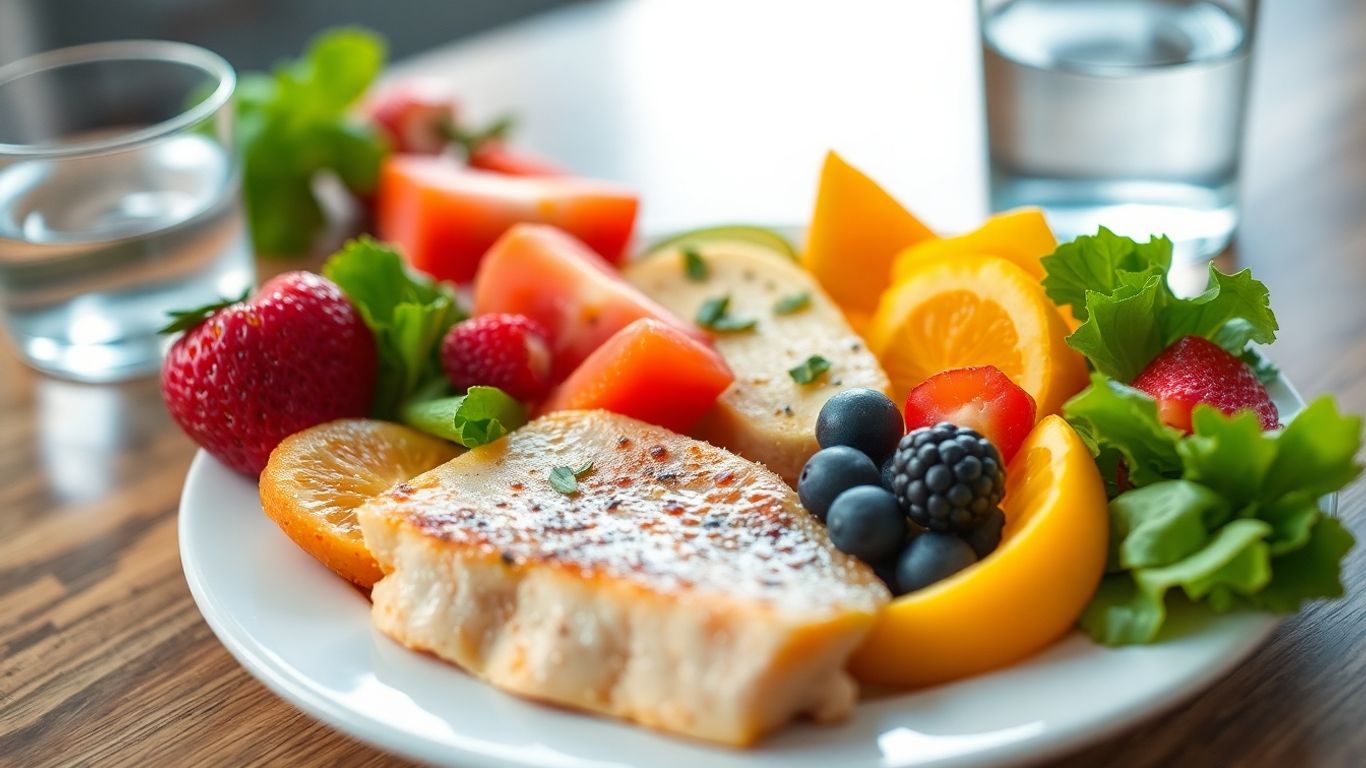
The Role Of Water In Your Recovery
Okay, so we've talked a lot about food, but let's not forget about what you drink! Staying hydrated is super important for your heart, especially as you recover. Think of water as the unsung hero of your body's systems. It helps keep everything moving smoothly, from your blood flow to your body's temperature. When you're well-hydrated, your heart doesn't have to work as hard. This is a big win for your healing process and for keeping your ticker happy long-term. Making sure you drink enough water is a simple yet powerful step you can take every single day. It really does make a difference in how your body functions and how well you feel.
Proper hydration helps your blood circulate better, which means your heart gets the oxygen and nutrients it needs more easily. It also helps keep your blood pressure in a good range, reducing stress on your heart. It's like giving your heart a nice, calm environment to do its job.
What To Drink (And What To Limit)
So, what's the best way to stay hydrated? Water is, of course, your number one go-to. Aim for plain water throughout the day. You can also add a splash of lemon or cucumber for a little flavor if you like. Herbal teas, like chamomile or peppermint, are also good choices. They're caffeine-free and can be quite soothing.
When it comes to limiting things, it's mostly about sugary drinks. Sodas, fruit juices with added sugar, and even some sports drinks can pack a lot of sugar, which isn't great for your heart health. Also, be mindful of alcohol intake. While a small amount might be okay for some, it's best to talk to your doctor about what's right for you. And, of course, watch out for too much caffeine, as it can sometimes affect heart rate and blood pressure. Staying hydrated is crucial for optimal heart function. It supports healthy circulation and prevents strain on your cardiovascular system.
Building A Sustainable Diet Plan After Heart Attack
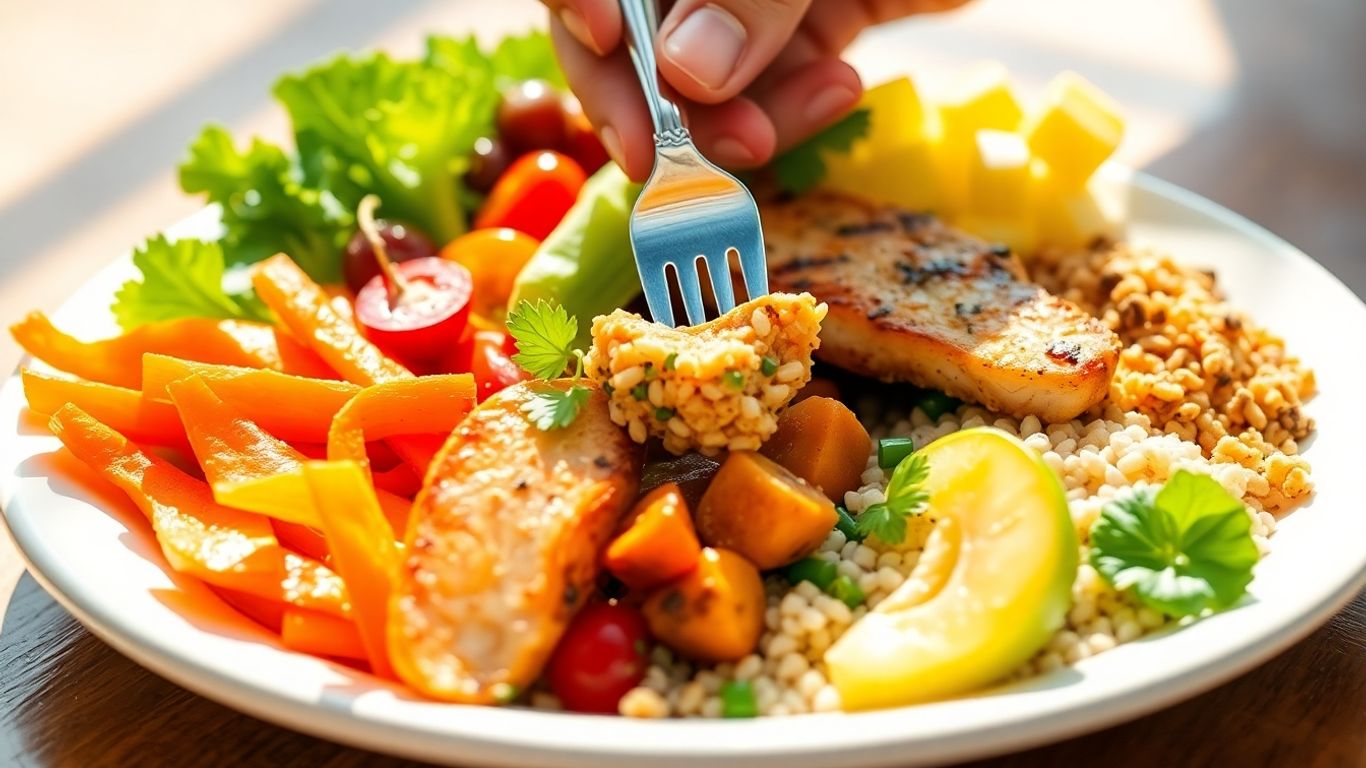
So, you've made some big changes, and that's fantastic! Now, let's talk about making this heart-healthy eating thing stick. It's not about deprivation; it's about building a lifestyle that feels good and keeps your ticker happy. Think of it as a long-term adventure, not a quick fix.
Planning Your Meals For Success
This is where the magic happens. When you plan, you're in control. No more last-minute junk food grabs because you're starving and have nothing ready. A little prep goes a long way.
- Start simple: Don't try to overhaul everything at once. Pick one meal a day to focus on, maybe breakfast or lunch.
- Stock your kitchen: Keep your fridge and pantry stocked with heart-friendly staples. Think fruits, veggies, lean proteins, and whole grains.
- Batch cooking: Spend a couple of hours on the weekend prepping some meals or components. Cook a big batch of quinoa, roast some chicken breasts, or chop up a variety of veggies.
- Keep a list: Jot down meal ideas for the week. This makes grocery shopping a breeze and prevents impulse buys.
Planning ahead is your secret weapon. It takes the guesswork out of eating and makes sticking to your goals so much easier. You'll feel more organized and less stressed about food.
Eating Out While Staying Heart-Healthy
Going out doesn't have to derail your progress. It just requires a bit of awareness.
- Check menus online: Most restaurants have their menus available. Look for grilled, baked, or steamed options. Avoid anything fried or creamy.
- Don't be afraid to ask: Request substitutions. Ask for dressings on the side, no added salt, or steamed vegetables instead of fries.
- Watch portion sizes: Restaurant portions can be huge. Consider sharing an entree or taking half home for later.
- Be mindful of drinks: Sugary sodas and fancy coffee drinks can add a lot of empty calories and sugar. Stick to water, unsweetened tea, or black coffee.
Celebrating Your Progress And Enjoying Food
This is a journey, and every step forward is worth celebrating! It's easy to get caught up in what you can't have, but let's focus on all the delicious things you can enjoy.
- Discover new recipes: There are tons of amazing heart-healthy recipes out there. Explore different cuisines and find new favorites.
- Treat yourself (smartly): It's okay to have a treat now and then. Maybe it's a small piece of dark chocolate or a special fruit dessert.
- Focus on flavor: Use herbs, spices, lemon juice, and vinegar to add zest to your meals instead of salt. You'll be surprised at how much flavor you can create!
Remember, this is about adding good things into your life, not taking them away. You've got this!
Moving Forward with a Healthier Heart
So, that's the lowdown on eating right after a heart attack. It might seem like a lot at first, but think of it as a fresh start for your body. Making these changes isn't about restriction; it's about giving your heart the best fuel to get stronger and stay that way. You've got this! Small steps add up, and soon enough, these healthy habits will feel like second nature. Keep up the good work, stay positive, and remember that a heart-healthy diet is a major win for your overall well-being. Here's to many more happy, healthy years ahead!
Frequently Asked Questions
What kind of foods should I focus on eating after a heart attack?
After a heart attack, you'll want to fill your plate with colorful fruits and veggies, lean meats like chicken or fish, and whole grains such as oatmeal and brown rice. Think of foods that are naturally good for you and help keep your heart strong.
Are all fats bad for my heart?
Not at all! Some fats are actually great for your heart. Healthy fats are found in things like avocados, nuts, seeds, and olive oil. It's the unhealthy fats, like those in fried foods and processed snacks, that you need to cut back on.
How much salt should I be eating?
You'll want to watch your salt intake closely. Too much salt can make your blood pressure go up, which isn't good for your heart. Try using herbs and spices to add flavor instead of salt. Always check food labels for how much sodium is in them.
What about drinks? Are there any I should avoid?
Water is your best friend! It helps your body work well. You should limit sugary drinks like soda and juice, and be mindful of how much alcohol you consume. Stick mostly to water, and maybe some unsweetened tea.
Is it hard to eat healthy when I go out to restaurants?
It can be a little tricky, but it's definitely doable. Look for grilled or baked options instead of fried. Ask for sauces and dressings on the side, and don't be afraid to ask the server questions about how the food is prepared. You can still enjoy meals out!
How can I make sure I stick to this new way of eating?
The key is to make it a habit and enjoy it! Plan your meals ahead of time so you know what you're going to eat. Try new recipes, and celebrate the small wins you make along the way. Eating healthy can be delicious and rewarding.